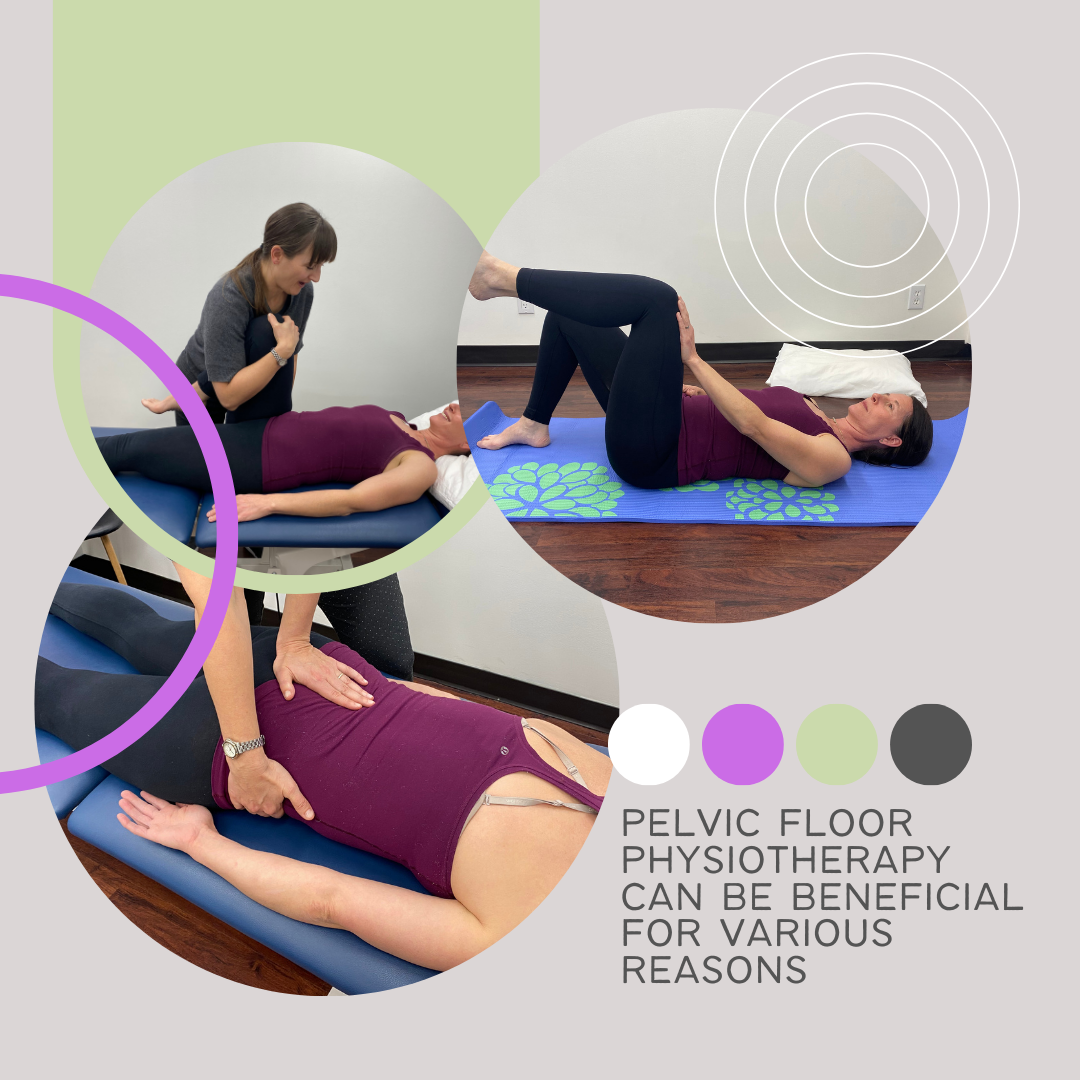


Pelvic pain can masquerade as back or tailbone pain, or pain reaching into the hips, groin or lower abdomen. Dysfunction in any number of body systems may be the cause. Injuries to muscles or joints, urinary tract infections, hormonal changes or nerve injuries can all be potential sources.
Pelvic pain is a complex symptom, and addressing its root cause is essential for effective management and relief. Your pelvic floor can react with muscle spasm, weakness or poor coordination when it's impacted by some of the conditions below.
- 01
Menstrual Cramps (Dysmenorrhea)
Many women experience pelvic pain during menstruation due to uterine contractions. Mild discomfort is normal, but severe or prolonged pain may point to an underlying issue.
- 02
Pelvic Inflammatory Disease (PID)
PID is an infection of the reproductive organs. It can cause pelvic pain, especially during intercourse, along with symptoms such as abnormal vaginal discharge and fever.
- 03
Endometriosis
This occurs when tissue similar to the lining of the uterus grows outside the uterus. It can cause pelvic pain, particularly during menstruation, and may be associated with fertility issues.
- 04
Urinary Tract Infections (UTIs)
Infections of the urinary tract, including the bladder or urethra, can lead to pelvic pain, a frequent urge to urinate, and pain or burning during urination.
- 05
Interstitial Cystitis
This chronic condition causes inflammation of the bladder, leading to pelvic pain, a frequent need to urinate, and discomfort during sexual intercourse.
- 06
Pelvic Floor Dysfunction
Dysfunction of the pelvic floor muscles, which support the pelvic organs, can result in pelvic pain. Muscle spasms or weakness in the pelvic floor may contribute to discomfort.
- 07
Ovarian Cysts
Fluid-filled sacs on the ovaries can cause pelvic pain. Many cysts are harmless and resolve on their own, while others may cause pain and need medical attention.
- 08
Appendicitis
Inflammation of the appendix, located in the lower right abdomen, can cause pelvic pain. Appendicitis requires prompt medical intervention.
- 09
Inflammatory Bowel Disease (IBD)
Conditions like Crohn's disease or ulcerative colitis can cause inflammation in the intestines, leading to pelvic pain, abdominal discomfort, and changes in bowel habits.
- 10
Pelvic Congestion Syndrome
This condition involves swelling of the pelvic veins, leading to pelvic pain, especially after long periods of standing.
When to seek help
If you or someone you know is experiencing persistent or severe pelvic pain, it's important to consult a healthcare professional. A thorough medical evaluation, including a physical examination and possibly imaging or diagnostic tests, can help identify the underlying cause and guide appropriate treatment, which may include pelvic health physiotherapy.
Pelvic pain taken seriously
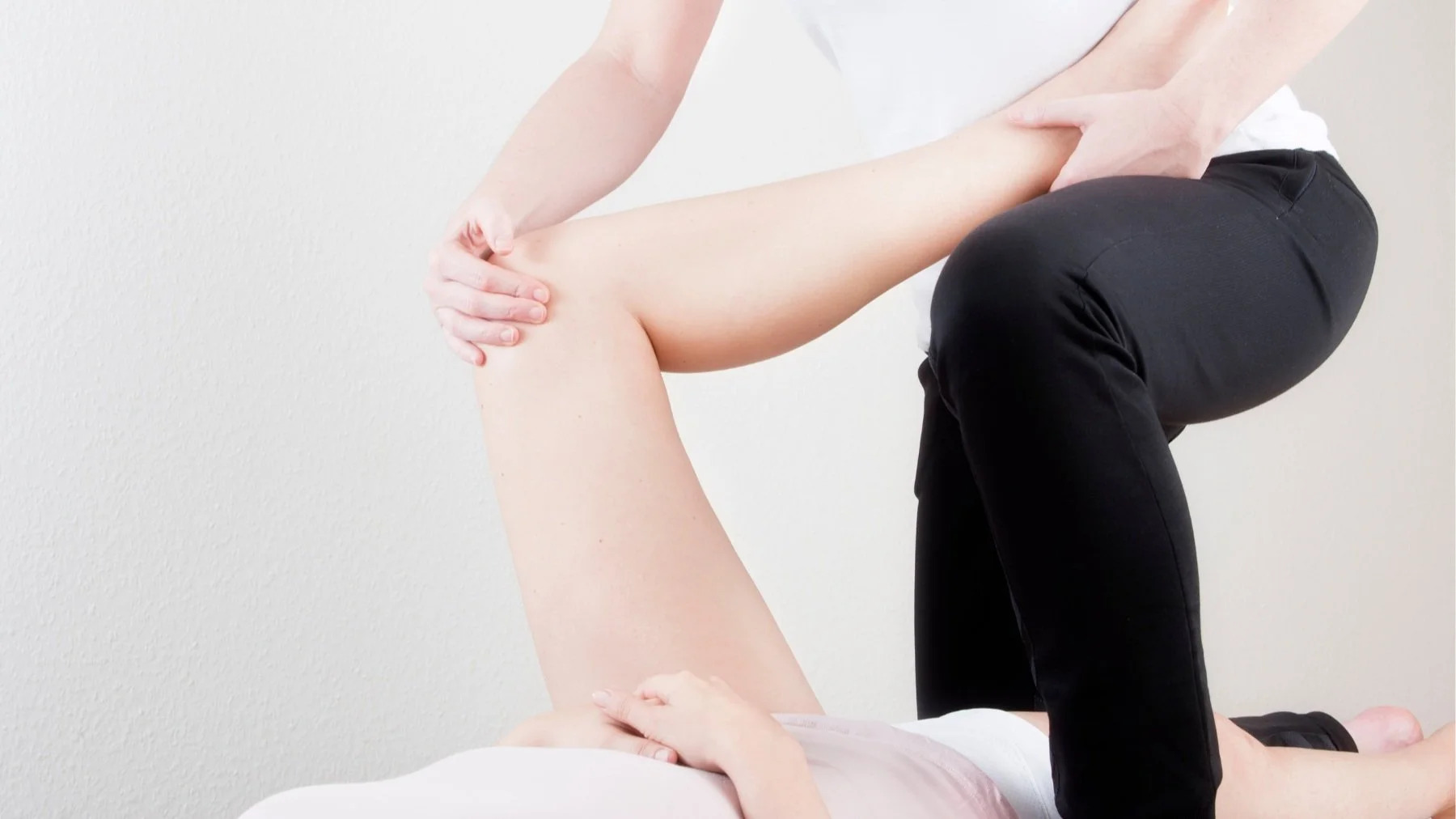
Our pelvic health physiotherapists assess the muscle, joint and nerve factors that can contribute to pelvic pain, then build a treatment plan tailored to your body.
Explore pelvic health physiotherapy